


-
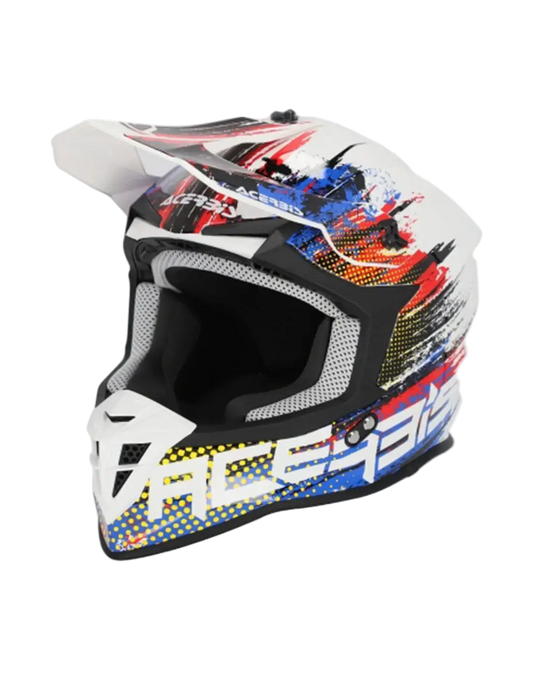
ACERBIS Linear 2024 Motocross Helmets - WHITE/BLUE/REDAcerbis Linear 2024 Motocross Helmet Made of high-quality fiberglass , the Acerbis Linear 2024 helmet complies with ECE 22-06 homologation , ensuring high safety standards. This model features a double external shell and a double internal shell to offer improved protection in the event...
- €125,95
€139,95- €125,95
- Unit price
- per
2XL(63-64)cm M(57-58)cm S(55-56)cm XL(61-62)cm- WHITE/BLUE/RED
-
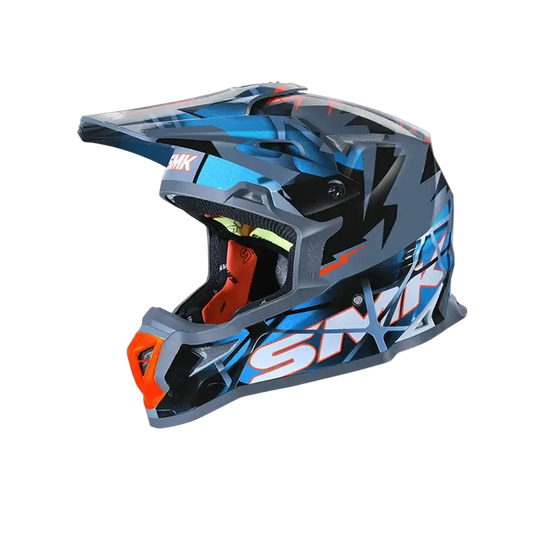
SMK ALLTERRA FULMINE GL651 Motocross Helmets Black Grey Blue - BLACK GREY BLUESMK Allterra Fulmine GL 651 – Off-Road Motocross Helmets for Sports and Racing Introducing the SMK Allterra Fulmine GL 651 off-road helmet: the ideal choice for off-road enthusiasts! Designed with care and precision, this helmet is designed to take your riding experience to the...Ultime disponibilità!
- €76,00
€102,00- €76,00
- Unit price
- per
L(58-60)cm XL(61-62)cm- BLACK GREY BLUE
-
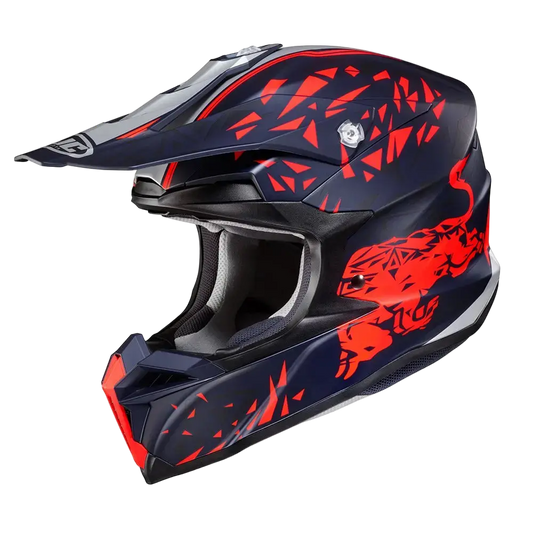
HJC I50 MC21SF Spielberg Red Bull Ring Motorcycle Motocross HelmetsThe new HJC i50 MC21SF motocross helmet is designed for rider comfort and ease with an aggressive, attractive design. A large, repositioned eye port optimizes downward visibility. HJC's dual-position goggle strap adjusts to the rider's comfort and preference. The extended visor blocks sunlight and...Ultime disponibilità!
- €179,00
€219,90- €179,00
- Unit price
- per
S(55-56)cm -
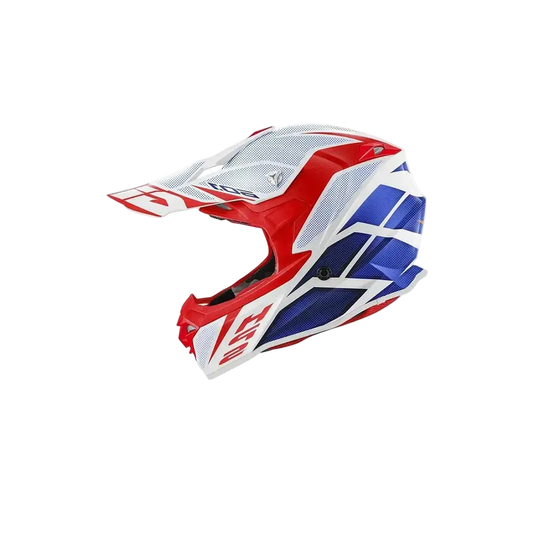
GIVI 60.1 INVER Motocross Enduro Helmets Red White - BRIGHT RED/WHITEGIVI 60.1 INVER OFF ROAD MOTOCROSS HELMETS RED WHITE The Givi 60.1 Inver motocross helmet complies with the latest ECE 22.06 regulation. Made of durable thermoplastic resin, it offers highly breathable internal padding and incorporates an efficient ventilation system. Designed to appeal to off-road...Ultime disponibilità!
- €95,00
€139,00- €95,00
- Unit price
- per
L(58-60)cm- BRIGHT RED/WHITE
-
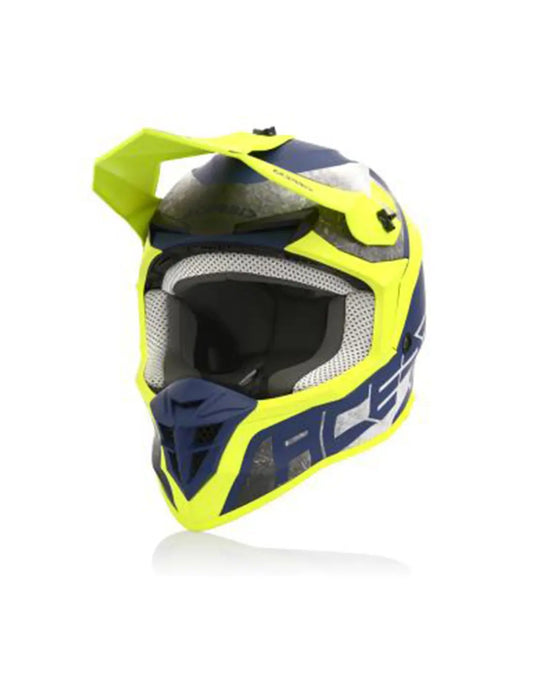
ACERBIS LINEAR Motocross Helmets Yellow Blue - YELLOW/BLUERewriting and translation into Italian: ACERBIS LINEAR Motocross Helmets Yellow Blue Motocross Helmet: Advanced Protection and Optimal Comfort Protection: The Acerbis Linear helmet features a double outer shell and double inner shell, providing advanced protection against impacts. It includes a reinforced nose and mouth...Ultime disponibilità!
- €125,95
€139,95- €125,95
- Unit price
- per
S- YELLOW/BLUE
-
MT FU404SV ATOM 2 SV DEXTER B15 CASCHI DI MOTO BRILLANTEIl Exo-R1 Evo Carbon Air è un casco sportivo di alta gamma che unisce magistralmente leggerezza e massima protezione, grazie alla sua calotta realizzata in Ultra TCT® fibra di carbonio e alla certificazione ufficiale ECE 22.06. Progettato per i motociclisti che cercano sicurezza senza...
- €165,00
€194,95- €165,00
- Unit price
- per
S M L XL -
HJC HJ09 ECRAN / SHIELD<rst argent silver> : HQ1-FG15-IS16-CLST-CSR1-F</rst>Ultime disponibilità!
- €49,50
€55,00- €49,50
- Unit price
- per
Default Title -
hjc HJ09 ECRAN / SHIELD<fume anti buee fumo antifog> : HQ1-FG15-IS16</fume>Ultime disponibilità!
- €44,10
€49,00- €44,10
- Unit price
- per
Default Title -
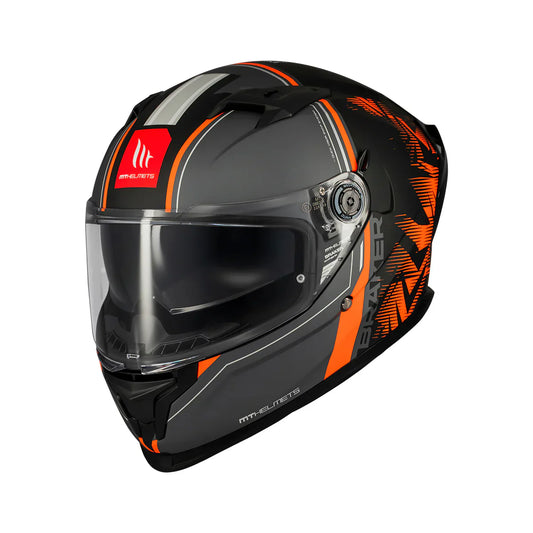
MT BRAKER SV CRAZY TEDDY B7 INTEGRALE BRILLANTE - CRAZY TEDDY B7 BrilloIl MT Braker SV Crazy Teddy B7 brillante 2024 è un casco integrale progettato specificamente per i motociclisti che cercano comfort, sicurezza e tecnologia avanzata a un prezzo accessibile. Questo casco entry-level per il turismo unisce un design moderno e funzionale a innovazioni tecniche...Ultime disponibilità!
- €123,20
€144,95- €123,20
- Unit price
- per
2XL- CRAZY TEDDY B7 Brillo
-
HJC HJ32 ECRAN / SHIELD Pin. Prepared < CLAIR / CLEAR >| F70Ultime disponibilità!
- €49,50
€55,00- €49,50
- Unit price
- per
YOU -
CGM 569G C MAX CITY MODULARE CASCHI DI MOTO BLU BIANCO ROSSOCGM 569G C-MAX CITY Scopri il C-MAX CITY, il casco modulare rivoluzionario di CGM progettato per chi desidera vivere ogni giorno con nuove emozioni e la massima sicurezza. Questo casco combina uno stile moderno con funzionalità eccezionali, offrendoti un comfort superiore e prestazioni avanzate...
- €152,00
€179,99- €152,00
- Unit price
- per
XS S M L XL XXL -
HJC HJ32 ECRAN / SHIELD Pin. Prepared < FUME FONCE / D/SMOKE >| F70Ultime disponibilità!
- €49,50
€55,00- €49,50
- Unit price
- per
Default Title -
HJC HJ20M ECRAN / SHIELD PIN. PREPARED<fumo> : FG ST-FG17-IS17</fumo>Ultime disponibilità!
- €41,40
€46,00- €41,40
- Unit price
- per
YOU -
HJC HELMETS C10 ELIE MC3HSF CASCHI DI MOTO INTEGRALE SPORTIVO - MC3HSFIl C10 ELIE MC1SF è un casco integrale innovativo che unisce qualità, sicurezza e un prezzo accessibile, perfetto per motociclisti di tutte le età che desiderano la massima protezione durante ogni viaggio. Progettato con una calotta in composito di policarbonato avanzato, realizzata con tecnologia...Sono rimasti solo 8 pezzi!
- €98,00
€129,95- €98,00
- Unit price
- per
XXXS XXS XS L XL 2XL- MC3HSF
-
HJC HJ29 PIN ECRAN / SHIELD. PREPARED<clair clear> : RPHA90</clair>Ultime disponibilità!
- €49,00
€54,00- €49,00
- Unit price
- per
Default Title -
MT KRE PLUS S CARBON INTEGRALE PURE A1 CASCHI DI MOTO BRILLANTE - BRILLOMT KRE+ S Pure A1 Lucentezza - Carbonio Lucente - nuovo logo “racing MT Helmet” - Omologazione FIM esclusa per le taglie XL e 2XL Il casco MT KRE+ S Pure nasce direttamente dall’esperienza avanzata di MT Helmets in MotoGP, offrendo un prodotto che...
- €359,00
€449,95- €359,00
- Unit price
- per
XS S XL 2XL- BRILLO
-
AXOR SABER X SPORTS CASCHI DI MOTO NERO ARANCIONE OPACOUltime disponibilità!
- €93,00
€110,00- €93,00
- Unit price
- per
XL -
HJC HELMETS C10 TEZ MC4HSF CASCHI DI MOTO INTEGRALE SPORTIVO DA TURISMO - MC4HSFIl C10 ELIE MC1SF è un casco integrale all’avanguardia che unisce sicurezza avanzata e comfort eccezionale a un prezzo accessibile, perfetto per motociclisti di tutte le età che desiderano protezione senza rinunciare allo stile e al benessere durante la guida. Progettato con una calotta...
- €98,00
€129,95- €98,00
- Unit price
- per
XXL L XL XS- MC4HSF
-
AXOR HUNTER CORNET INTEGRALE CASCHI DI MOTO NERO OPACO GIALLO FLUOCASCO AXOR HUNTER CORNET NG MATE_AMARIL FLUOR Scopri il Casco AXOR Hunter, progettato per il motociclista esigente che non scende a compromessi né sulla sicurezza né sullo stile. Certificato secondo gli standard ISI, DOT e ECE 22.06, questo casco garantisce una protezione superiore in...Sono rimasti solo 8 pezzi!
- €89,00
€105,00- €89,00
- Unit price
- per
S M L XL 2XL -
AXOR HUNTER CORNET INTEGRALE CASCHI DI MOTO NERO BLUCASCO AXOR HUNTER CORNET NEGRO_AZUL Il casco AXOR Hunter rappresenta la scelta perfetta per il motociclista che richiede massima sicurezza, comfort superiore e un design contemporaneo che si distingue in ogni viaggio. Con certificazioni ISI, DOT ed ECE 22.06, questo casco garantisce una protezione...Sono rimasti solo 8 pezzi!
- €89,00
€105,00- €89,00
- Unit price
- per
S M L XL -
AXOR APEX ROADTRIP INTEGRALE CASCHI DI MOTO NERO GRIGIOAXOR APEX ROADTRIP CASCO INTEGRAL DA MOTO NERO_GRIGIO Il casco AXOR Apex, disponibile su Máximo Moto, trasforma radicalmente la tua esperienza di guida offrendo un equilibrio perfetto tra sicurezza, comfort, aerodinamica e stile. Progettato per motociclisti che esigono l’eccellenza in ogni viaggio, questo casco...
- €119,00
€139,99- €119,00
- Unit price
- per
M XL -
AXOR HUNTER TURBO INTEGRALE CASCHI DI MOTO BIANCO ROSSOCASCO HUNTER TURBO BLANCOROJO – Disponibile su Máximo Moto Scopri il AXOR Hunter Turbo Blancorojo, il casco integrale che combina perfettamente sicurezza, comfort e stile per i motociclisti più esigenti. Progettato per offrire una protezione superiore e un’esperienza di guida senza pari, questo casco...
- €89,00
€104,99- €89,00
- Unit price
- per
XS S M L XL 2XL -
AXOR APEX TRANCE INTEGRALE CASCHI DI MOTO NERO OROCasco AXOR Apex Psychedelic – Eleva la tua esperienza di guida con un design esclusivo e colori ipnotici che trasformano il blu in viola su uno sfondo rame dorato, creando un effetto caleidoscopico affascinante che ti farà distinguere su ogni percorso. Máximo Moto presenta...Ultime disponibilità!
- €119,00
€139,99- €119,00
- Unit price
- per
M XL -
AXOR SABER SPARK CASCHI DI MOTO BIANCO PERLATO GRIGIOSono rimasti solo 11 pezzi!
- €93,00
€110,00- €93,00
- Unit price
- per
S M L XL -
AXOR APEX VENOMOUS DV INTEGRALE CASCHI DI MOTO NERO BLUCASCHI INTEGRALI AXOR APEX VENOMOUS DV NERO_BLU Apex: Il casco definitivo per lo sport touring Scopri il casco Axor Apex Venomous DV, il punto di riferimento assoluto per i caschi sport touring, progettato appositamente per piloti esigenti che cercano la combinazione perfetta tra stabilità...Ultime disponibilità!
- €119,00
€139,99- €119,00
- Unit price
- per
S L 2XL -
AXOR APEX VENOMOUS DV INTEGRALE CASCHI DI MOTO NERO OPACO GRIGIOCASCHI INTEGRALI AXOR APEX VENOMOUS DV NG MATE_GRIGIO Scopri il casco Apex, la massima espressione nel segmento sport touring, progettato specificamente per motociclisti che richiedono stabilità eccezionale e prestazioni aerodinamiche di alto livello. Ogni componente è stato sviluppato con precisione e tecnologia avanzata, fissando...Sono rimasti solo 13 pezzi!
- €119,00
€139,99- €119,00
- Unit price
- per
XS M L XL 2XL -
AXOR APEX VENOMOUS DV INTEGRALE CASCHI DI MOTO NERO ROSSOCASCO INTEGRALE AXOR APEX VENOMOUS DV NERO_ROSSO Scopri l’Axor Apex Venomous DV, un casco integrale progettato per piloti appassionati che richiedono il massimo in termini di sicurezza, prestazioni e comfort nel mondo dello sport touring. Questo casco combina tecnologie all’avanguardia e un design innovativo...Sono rimasti solo 19 pezzi!
- €119,00
€139,99- €119,00
- Unit price
- per
XS S M L XL 2XL -
AXOR APEX VENOMOUS DV INTEGRALE CASCHI DI MOTO NERO VERDECASCHI INTEGRALI AXOR APEX VENOMOUS DV NERO_VERDE Scopri il casco Apex, il massimo riferimento nel mondo dei caschi sport touring, progettato specificamente per i motociclisti che desiderano un equilibrio perfetto tra stabilità superiore e prestazioni aerodinamiche eccezionali. Ogni dettaglio dell’Apex è stato sviluppato con...Ultime disponibilità!
- €119,00
€139,99- €119,00
- Unit price
- per
XL -
AXOR HUNTER SPEAR INTEGRALE CASCHI DI MOTO BLUCASCO AXOR HUNTER SPEAR AZUL Il casco Hunter Spear unisce una protezione superiore a un design accattivante grazie alla sua grafica dinamica a forma di lancia, che conferisce al pilota una personalità audace e distintiva.Progettato per i motociclisti più esigenti, questo casco è dotato...Sono rimasti solo 12 pezzi!
- €89,00
€104,99- €89,00
- Unit price
- per
L XL 2XL -
AXOR APEX STREAK INTEGRALE CASCHI DI MOTO NERO ROSSOCASCO AXOR APEX STREAK NERO_ROSSO (Disponibile su Máximo Moto) Il casco AXOR Apex Streak rappresenta una rinnovata fusione di stile contemporaneo, carattere audace e un invito costante all’avventura. Progettato per i motociclisti che amano affrontare sia le strade urbane quotidiane sia le fughe del...
- €119,00
€139,99- €119,00
- Unit price
- per
XS S M L XL 2XL -
AXOR APEX STREAK INTEGRALE CASCHI DI MOTO NERO BLUAXOR APEX STREAK CASCO INTEGRAL DA MOTO NERO BLU (Disponibile in Máximo Moto) Il casco AXOR Apex Streak si presenta rinnovato, combinando stile, carattere e spirito avventuroso per chi cerca il massimo in ogni percorso. Progettato per adattarsi sia agli spostamenti urbani sia alle...
- €119,00
€139,99- €119,00
- Unit price
- per
XS S M L XL 2XL -
MT BRAKER SV CHARM B4 INTEGRALE CASCHI DI MOTO OPACO - CHARM B4 MATEIl casco MT FF128SV Braker SV Charm B4 Matt rappresenta una combinazione perfetta di sicurezza, comfort e design moderno, ideale per i motociclisti che cercano un equipaggiamento affidabile e di alta qualità. Prodotto da MT Helmets, un marchio riconosciuto per i suoi rigorosi standard...
- €112,00
€139,95- €112,00
- Unit price
- per
S M L XL- CHARM B4 MATE
-
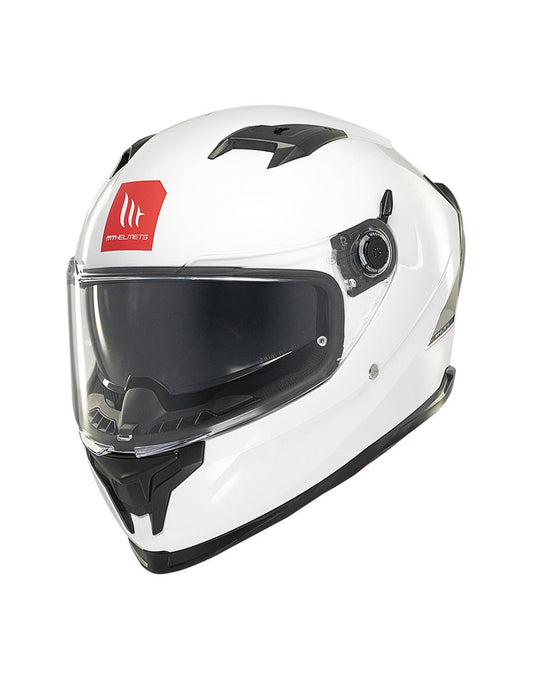
MT BRAKER SV SOLID A0 INTEGRALE CASCHI DI MOTO BIANCO PERLA LUCIDA - PERLA BRILLO WHITEProtezioneOmologazione ECE R22.06 e DOT: il MT Braker SV rispetta i rigorosi standard di sicurezza sia ECE R22.06 che DOT, garantendo una protezione affidabile durante la guida.Calotta in Polimero ad Alta Resistenza agli Impatti (HIRP): il casco è realizzato in HIRP, offrendo un eccellente...Ultime disponibilità!
- €104,00
€129,95- €104,00
- Unit price
- per
M L- PERLA BRILLO WHITE
-
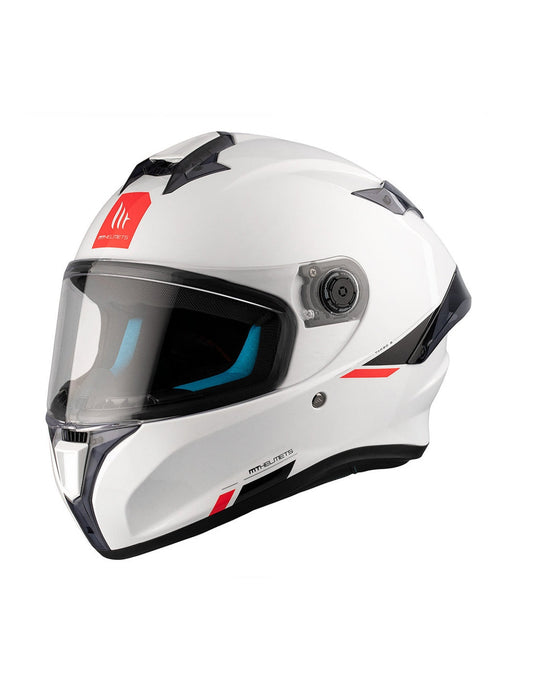
MT TARGO S SOLID UNISEX SPORTIVO A0 INTEGRALE CASCHI DI MOTO BIANCO PERLA - PERLA BRILLO WHITEIl casco integrale MT Targo S Solid A0 rappresenta la nuova generazione del già apprezzato Targo Pro, offrendo prestazioni e sicurezza avanzate nella categoria dei caschi sportivi di livello base. Progettato per superare le più recenti normative ECE 22.06, il Targo S combina una...
- €84,00
€119,95- €84,00
- Unit price
- per
L M XL 2XS- PERLA BRILLO WHITE
-
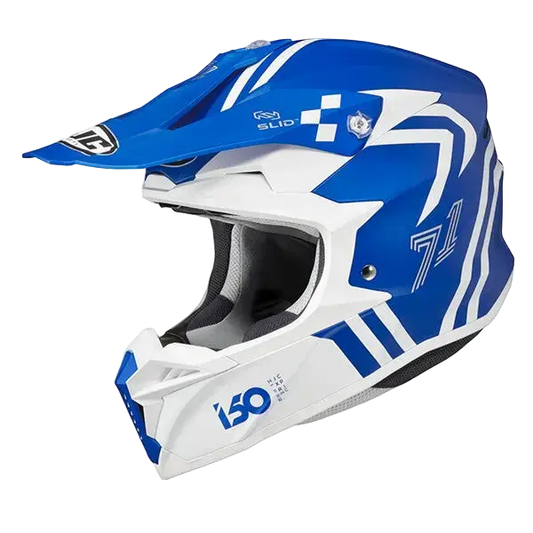
HJC i50 Hex MC2SF Motocross Enduro Helmets White Blue - White BlueHJC's new MC2SF off-road helmet is designed for comfort and ease of use, all in an aggressive and eye-catching design. Featuring a large, repositioned eye port, it optimizes downward vision for improved visibility. The goggle strap can be adjusted to two positions for comfort...
- €159,00
€189,90- €159,00
- Unit price
- per
- White Blue
-
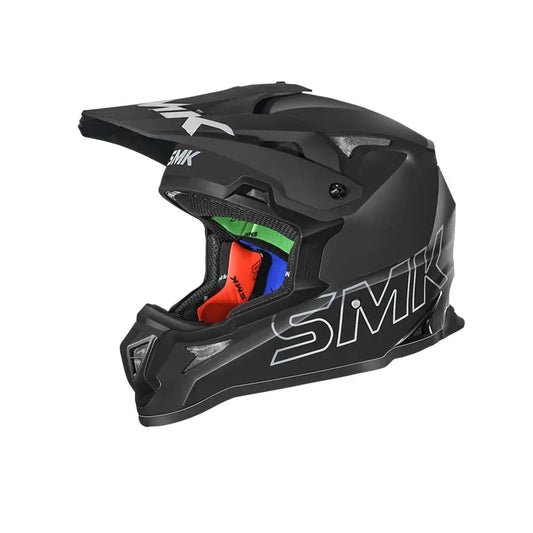
SMK ALLTERRA SOLID MA260 Motocross Helmets Matte Black - MATT BLACKSMK Allterra Solid MA 260 – Off-Road Motocross Helmets for Sport and Racing Introducing the SMK Allterra Solid MA 260 off-road helmet: the ideal choice for off-road enthusiasts! Designed with care and precision, this helmet is designed to take your riding experience to the...
- €72,00
€99,00- €72,00
- Unit price
- per
- MATT BLACK
-
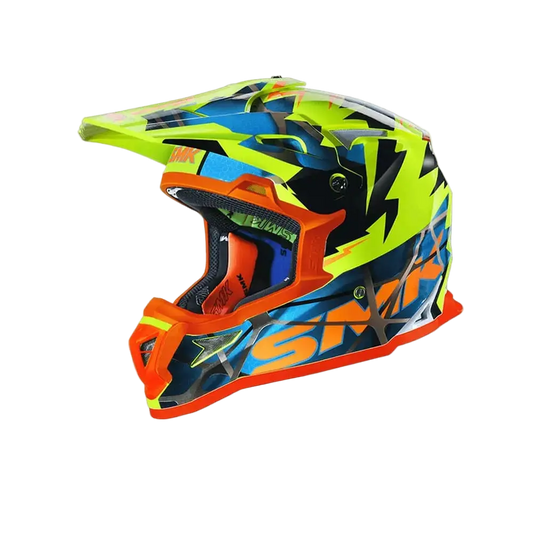
SMK ALLTERRA FULMINE GL457 Motocross Helmets Yellow Fluo Blue Orange - YELLOW FLOU BLUE ORANGESMK Allterra Fulmine GL 651 – Off-Road Motocross Helmets for Sport and Racing Introducing the SMK Allterra Fulmine GL 651 off-road helmet: the ideal choice for off-road enthusiasts! Designed with care and precision, this helmet is designed to take your riding experience to the...
- €76,00
€102,00- €76,00
- Unit price
- per
- YELLOW FLOU BLUE ORANGE
-
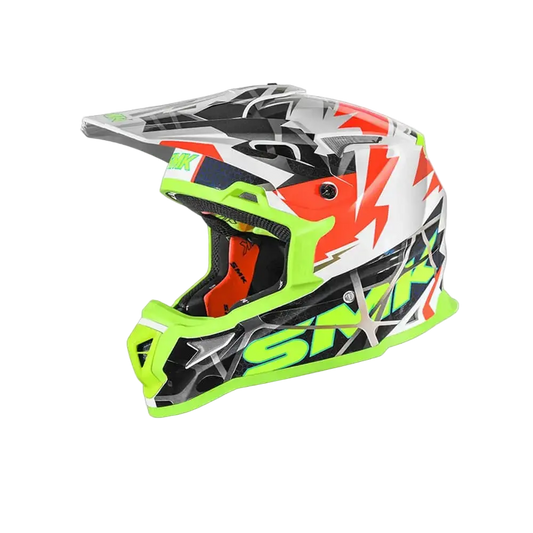
SMK ALLTERRA FULMINE GL174 Motocross Helmets White Red Yellow Fluo - WHITE RED YELLOW FLOUSMK Allterra Fulmine GL 174 – Off-Road Motocross Helmets for Sport and Racing Introducing the SMK Allterra Fulmine GL 174 off-road helmet: the ideal choice for off-road enthusiasts! Designed with care and precision, this helmet is designed to take your riding experience to the...
- €76,00
€102,00- €76,00
- Unit price
- per
- WHITE RED YELLOW FLOU
-
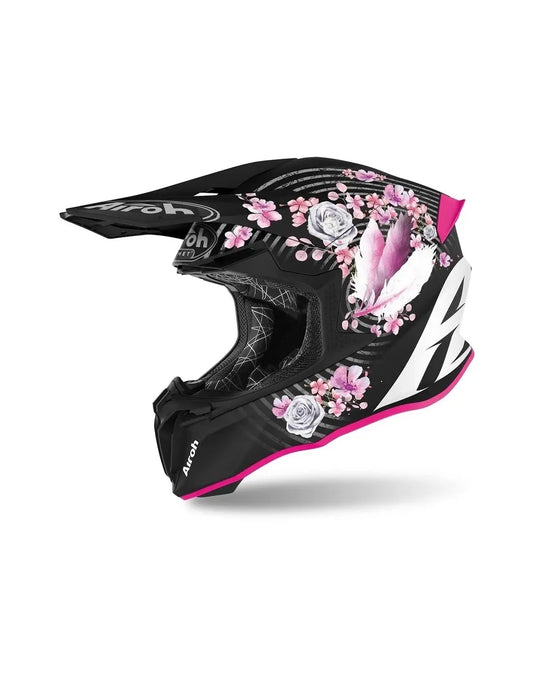
AIROH TWIST 2.0 Motocross Enduro Helmets MAD Matte - MATT CRAZYAIROH TWIST 2.0 MAD OFF-ROAD MOTORCYCLE HELMETS, MATTE The Airoh Twist 2.0 seemed impossible to improve, but we managed to perfect a best-seller. Now the Twist 2.0 has more performance and is more aggressive, without losing its incredible lightness. The Airoh helmet shell, made...
- €95,00
€249,90- €95,00
- Unit price
- per
- MATT CRAZY
-
HJC i50 HEX MC10SF Motorcycle Motocross Off-Road Helmets - MC10SFThe new HJC i50 motocross helmet is designed for rider comfort and ease with an aggressive, attractive design. A large, repositioned eye port optimizes downward visibility. HJC's dual-position goggle strap adjusts to the rider's comfort and preference. The extended visor blocks sunlight and protects...
- €159,00
€189,90- €159,00
- Unit price
- per
- MC10SF
-
HJC i50 HEX MC1SF Motorcycle Off-Road Motocross Helmets - MC1SFThe new HJC motocross helmet is designed for rider comfort and ease with an aggressive, attractive design. A large, repositioned eye port optimizes downward visibility. HJC's dual-position goggle strap adjusts to the rider's comfort and preference. The extended visor blocks sunlight and protects the...
- €159,00
€189,90- €159,00
- Unit price
- per
- MC1SF
-
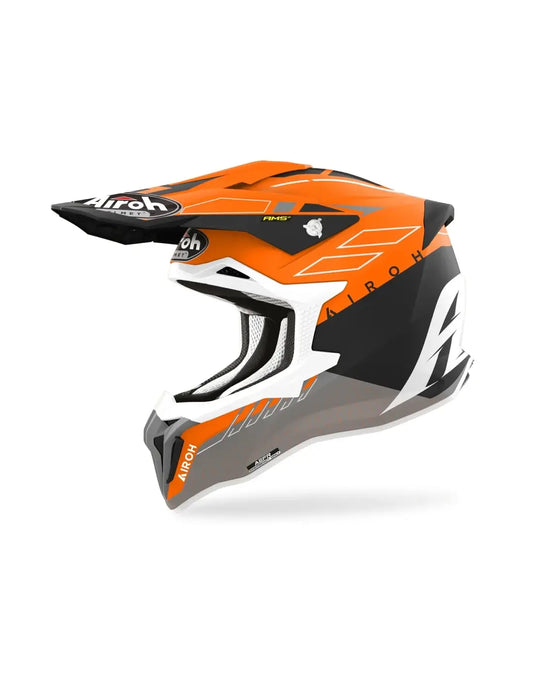
AIROH STRYCKER Motocross Off-Road Helmets Leather Orange Matte - MATT ORANGEAiroh Strycker Leather Off-Road Motorcycle Helmets Orange Matte The Airoh Strycker Pelle helmet offers maximum protection during your off-road adventures. The shell is made of HPC (High Performance Composite) material and is available in three different sizes to ensure a perfect fit. Furthermore, the...
- €169,00
€349,90- €169,00
- Unit price
- per
- MATT ORANGE
-
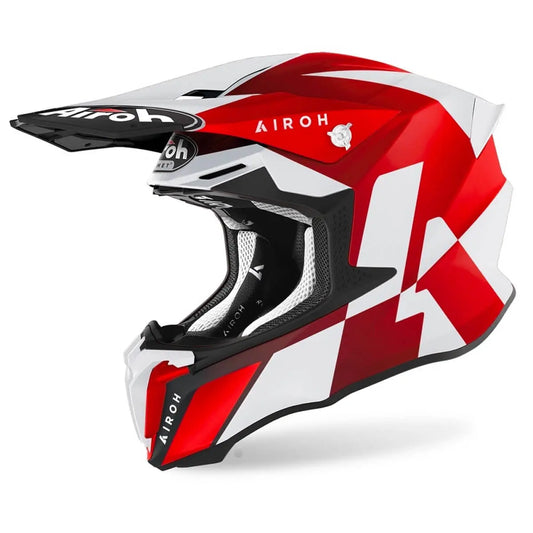
AIROH TWIST 2.0 LIFT Motocross Motorcycle Off-Road Helmets Matte Red - MATT REDAIROH TWIST 2.0 LIFT MATT RED helmets OFF-ROAD MOTORCYCLE helmets The Airoh Twist 2.0 helmet seemed impossible to improve, but we managed to perfect a best-seller. Now the Twist 2.0 offers more performance and is more aggressive without losing its incredible lightness. The Airoh...
- €95,00
€249,90- €95,00
- Unit price
- per
- MATT RED
-
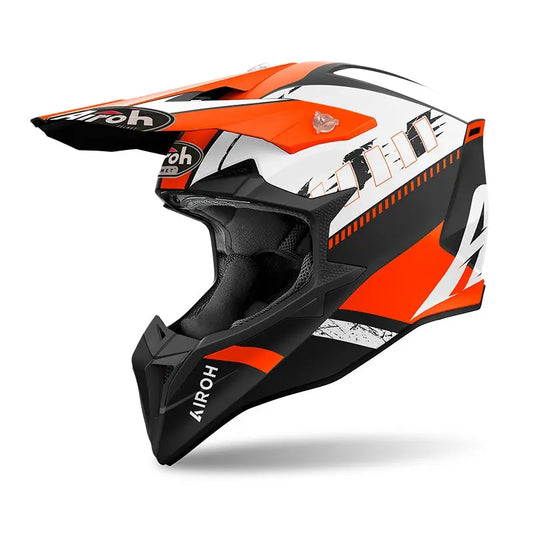
AIROH WRAAAP FEEL Motocross Motorcycle Enduro Helmets Matte Orange - MATT ORANGEAIROH Wraaap Feel Full Face Off-Road Helmets Matte Orange Introducing the Airoh Wraaap Feel motorcycle helmet: the ideal choice for both beginners and experienced riders. This full-face off-road helmet in a vibrant matte orange color breaks down generational barriers and welcomes young and adventurous...
- €95,00
€199,99- €95,00
- Unit price
- per
- MATT ORANGE
-
-
SHIRO HELMETS SH-62 KIOTO CASCHI DI MOTO MONOCROMO SABBIA - ARENAProtección avanzada para tu seguridad Certificado bajo las estrictas normativas ECE 22.06 y DOT, asegurando una protección confiable y homologada para motociclistas exigentes Visor solar integrado que protege tus ojos del deslumbramiento, mejorando la visibilidad y reduciendo la fatiga durante la conducción Incorpora un...
- €42,00
€49,99- €42,00
- Unit price
- per
- ARENA
-
SHIRO HELMETS SH-62 KIOTO CASCHI DI MOTO MONOCROMO BLU OPACO - AZUL MATEProtección avanzada para tu seguridad: Certificado bajo las estrictas normativas ECE 22.06 y DOT, este casco garantiza un nivel superior de seguridad para cada viaje en motocicleta. Equipado con un visor solar integrado que protege tus ojos del deslumbramiento, mejorando la visibilidad en condiciones...
- €42,00
€49,99- €42,00
- Unit price
- per
- AZUL MATE
-
SHIRO HELMETS SH-62 KIOTO CASCHI DI MOTO MONOCROMO ROSSO OPACO - ROJO MATEProtección avanzada para tu seguridad en carretera: Certificado bajo las rigurosas normativas ECE 22.06 y DOT, este casco garantiza un nivel superior de seguridad para todos los motociclistas. Incorpora un visor solar integrado que protege tus ojos del brillo intenso, mejorando la visibilidad y...
- €42,00
€49,99- €42,00
- Unit price
- per
- ROJO MATE
-
AXOR HUNTER TURBO INTEGRALE CASCHI DI MOTO OPACO NERO GRIGIOCASCO HUNTER TURBO NG MATE_GRIS – Disponibile su Máximo Moto Il AXOR Hunter Turbo NG Mate Grigio è la scelta perfetta per i motociclisti che richiedono il massimo in termini di sicurezza, comfort e stile in ogni viaggio. Questo casco integrale unisce un design...
- €89,00
€104,99- €89,00
- Unit price
- per
-



















Get the latest offers and promotions
Sign up for our newsletter to receive offers, discounts, expert guides, and updates directly in your inbox.


